
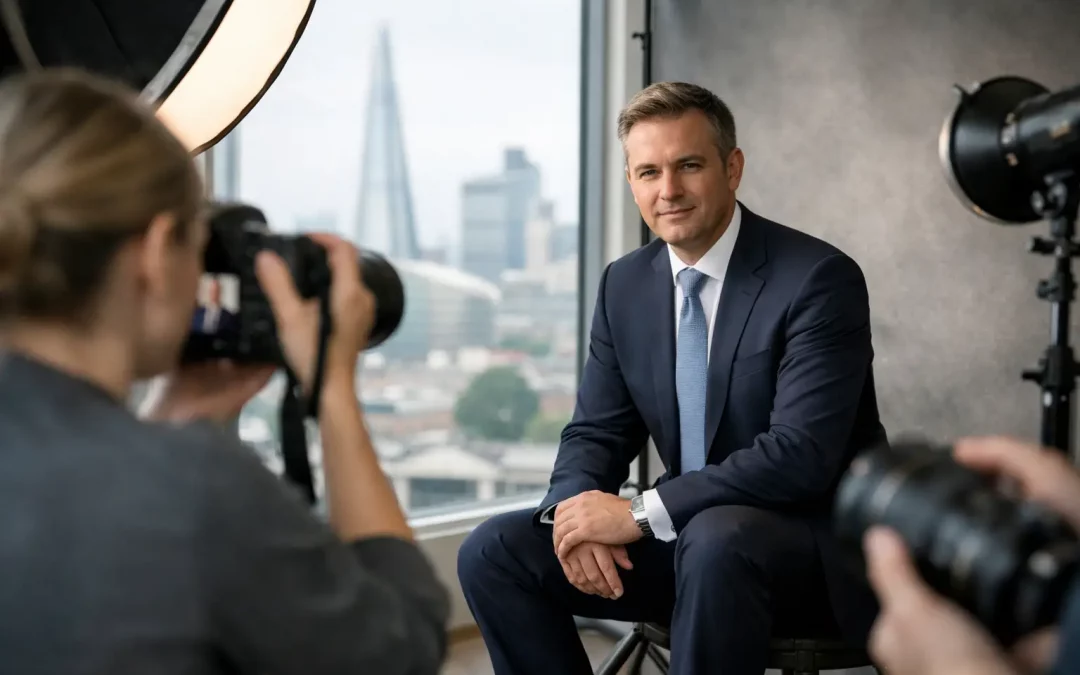
A strong executive portrait does more than show people what you look like. Before a meeting is booked, a proposal is read or a conversation begins, it can signal judgement, confidence and the level at which you operate. Choosing an executive portrait photographer in London is therefore not simply about finding a pleasant backdrop and a smart jacket. It is about creating an image that feels credible, current and unmistakably like you.
For founders, directors, consultants and senior teams, that distinction matters. Your portrait may appear on a company website, LinkedIn profile, press feature, speaker biography or board announcement. Each setting has a slightly different audience, but the essential requirement is the same: you need to look approachable enough to invite trust and assured enough to inspire confidence.
What Makes an Executive Portrait Different?
An executive portrait is not a passport-style headshot with better lighting, nor is it a highly styled fashion image. It is a considered business portrait, shaped around your role, your industry and the impression you need to make.
A solicitor may need a portrait that feels composed and discreet. A creative agency founder might want more energy, personality and a recognisable sense of place. A technology leader may prefer an image that is modern and direct, without becoming overly casual. The best result is rarely created by following a fixed formula. It comes from understanding what the photograph needs to communicate.
That is why a specialist photographer will ask practical questions before the camera comes out. Where will the images be used? Who needs to see them? Is the portrait for one individual, a leadership team or an entire organisation? These details influence the lighting, background, framing, styling and pace of the session.
The aim is polish without stiffness. You should look prepared, not posed; professional, not distant. A good portrait retains enough character to feel human, particularly when clients and colleagues are used to meeting you on screen before they meet you in person.
Choosing an Executive Portrait Photographer in London
London offers every kind of photographic setting, from quiet studio spaces to offices with architectural character and streets that immediately place a business in the city. Choice is useful, but it can make the search feel less straightforward. Rather than focusing only on the price of a session or the number of final photographs, look at whether a photographer’s work consistently creates the kind of presence you want to project.
Start with the portfolio. Are the expressions natural? Does the lighting flatter a range of faces and skin tones? Do the subjects look comfortable rather than carefully arranged? Technical skill matters, of course, but the ability to put busy professionals at ease is just as valuable. Many people arrive saying they dislike having their photograph taken. A calm, well-directed session can change that quickly.
It is also worth considering visual consistency. If you are commissioning portraits for a senior team, the images need to feel like part of the same organisation, even when each person has their own style and personality. Consistent lighting and a considered crop make a team page look more assured. At the same time, identical posing can feel impersonal, so there is a balance to strike.
Location is another genuine choice, not an afterthought. A studio portrait offers control, privacy and a timeless finish. An office-based session can be efficient for teams and may reinforce the company environment. Outdoor or architectural portraits can bring a sense of London and a little more movement, although they depend more on weather, footfall and available light. The right option depends on how formal your sector is, where the pictures will appear and whether the location adds meaning or merely adds distraction.
Henrietta Photography approaches business portraits with that balance in mind: refined enough for senior professional use, while keeping the experience relaxed and personal.
Preparation That Helps You Look Like Yourself
Preparation should make the day easier, not turn it into a performance. The most useful decision is to choose clothing that fits well and makes you feel confident. A jacket, shirt, blouse or knit in a colour you know suits you will generally photograph better than something bought specially but worn with uncertainty.
Solid colours are often a reliable choice, especially mid-tones and deeper shades that separate well from the background. Very fine checks, busy prints and prominent logos can pull attention away from your face. That does not mean every portrait needs a dark suit against a pale wall. Texture, colour and individual style can all work beautifully when used with purpose.
Bring an alternative layer if time allows. A change from jacket to knitwear, or from one shirt to another, can create enough variation for different platforms without needing a long session. It is particularly helpful if you need one formal portrait for corporate material and another, more relaxed option for social profiles or speaking engagements.
On the day, leave a little space around the appointment. Rushing from a difficult call straight in front of a camera tends to show in the shoulders and expression. Arriving ten minutes early, having a glass of water and taking a moment to settle can make a noticeable difference. Professional hair and make-up can be worthwhile for a significant campaign or leadership launch, but it should still look like you on a very good day, rather than someone unfamiliar.
The Value of Direction During the Session
Most executives do not need to know how to pose. In fact, trying too hard to pose often creates the very tension people hope to avoid. A professional portrait session should include clear, gentle direction throughout – where to stand, how to angle your shoulders, when to look towards the lens and when to relax between frames.
Small adjustments have a large effect. A slight turn towards the light can define the face. A change in posture can make an image feel more open. A photographer may ask for a thoughtful expression for a board profile, then encourage a warmer smile for a client-facing page. Neither is more authentic. They simply serve different purposes.
The strongest portraits usually happen once the initial self-consciousness has passed. That is why rapport matters. Conversation, reassurance and an unhurried approach help create a natural expression that cannot be manufactured by expensive equipment alone.
Think Beyond One Profile Picture
A portrait session can provide far more than a single LinkedIn photograph. Planning usage in advance helps you make sensible choices about variety. A tighter head-and-shoulders image may suit a profile page, while a wider environmental portrait can give a website, presentation or press article more visual interest.
For a business owner, it can be useful to have a small set of images that reflect different parts of the role: a direct portrait for authority, a warmer expression for client communication and a landscape composition with space for website copy or editorial layout. For teams, capture options that work both individually and together. This makes future marketing activity much easier to manage.
There is a trade-off, however. Too much variety can weaken a clear brand identity, especially for larger companies. If your organisation has established colours, image guidelines or a recognisable website style, share these before the session. A good photographer can work within those parameters while ensuring the portraits do not become flat or uniform.
When Is It Time to Update Your Portrait?
If your current image is more than a few years old, the question is not simply whether you have changed. Consider whether your role, business or public presence has changed too. A promotion, new venture, company rebrand, appointment to a board or move into more visible speaking work are all sensible reasons to commission new portraits.
You may also have outgrown an image that once felt right. An informal photograph can be excellent for an early-stage founder building a personal audience, but less suitable when the business is pitching for substantial contracts. Equally, a very formal portrait may no longer fit a leader whose work has become more creative, collaborative or public-facing.
The best executive portrait is not about looking more serious than you are. It is about giving people an accurate, confident first impression before you enter the room. Choose a photographer whose work feels polished but human, allow enough time to settle into the process, and let the final image do the quiet work of representing you well.